The Story Behind Invei, Sierra Foothills, Barbera, 2023
Barbera is a grape we don’t often find in the kosher marketplace. It hails from northern Italy, specifically from Asti and Alba in Piedmont. While you may recognize the name Asti from the popular Moscato d’Asti, AKA “The Blue Bottle,” Barbera is the most planted variety in Asti. Still, Barbera d’Asti was tough to find outside of Piedmont until recent times. Barbera has not found international demand, and currently over 80% of Barbera plantings are in Italy, with about 10% in California and the other 10% scattered in South America and elsewhere.
Israel has produced some Barbera from such wineries as Shiloh and Ramot Naftaly, whose winemaker, Yitzhak Cohen, is something of a Barbera pioneer, with vines in two vineyards in Kedesh Valley. Tabor Winery has for years made the Adama, Barbera, Rosé. California’s Jonathan Hajdu has produced a Sierra Foothills Barbera as recently as 2023. In Italy, Pescaja makes a Barbera d’Asti as do the brands Bartenura, D’acci, and Lovatelli.
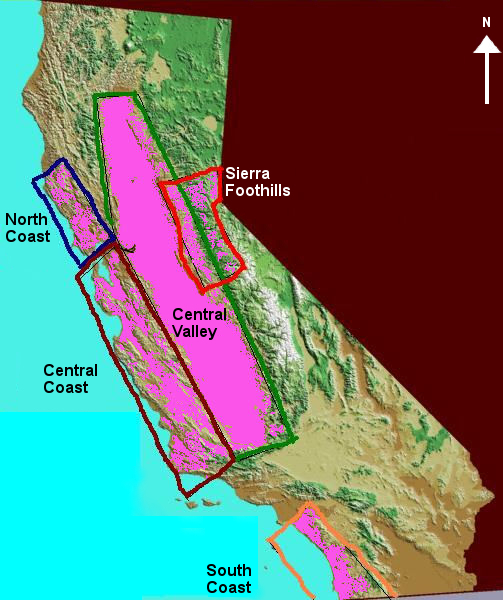
Sierra Foothills AVA
Spanning eight counties, Sierra Foothills is a large Northern California American Viticultural Area (AVA) near Sacramento dating back to the Gold Rush era and includes diverse topography and microclimates. The AVA features high elevations up to 3500 feet above sea level and a Mediterranean climate with a good diurnal range so grapes maintain their acidity. Alpine winds stream down from the mountains and the AVA, one of the largest in America at 2.6 million acres. Sierra Foothills has over 150 varities planted in this diverse area, and contains the country’s oldest planting of Zinfandel while also being known for Syrah and Barbera. Zinfandel makes up nearly 40% of all plantings but Barbera, while not found often in America, is best known in this region, which perhaps produces the best of the varietal in the United States.
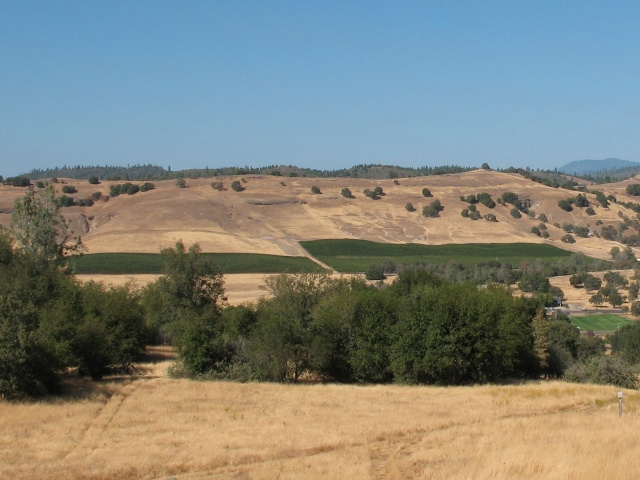
Distinct from its Italian sibling, California Barbera offers fruit-forward, highly acidic wine, warmer and softer than that from Piedmont. The AVA sees hot, sunny days and cool nights which allow for good ripening while maintaining natural acidity. Sierra Foothills is a far more affordable area for winemakers relative to Napa and Sonoma so more experimentation occurs in the AVA.
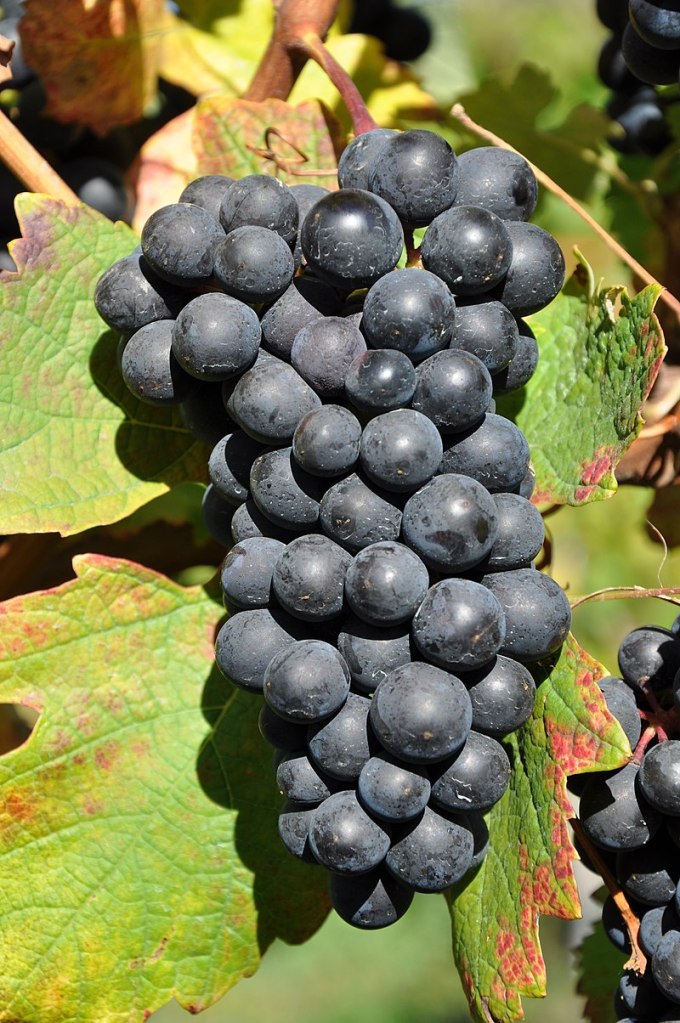
The Temperamental Barbera Grape
Michael Kaye, winemaker at Invei Winery explains that California Barbera can be tricky to produce as, “One of the issues that can happen with California Barbera is very high alcohol. Barbera is a low-tannin, high acid grape, which means, depending on style, if you want the acid to be integrated, and avoid a lemony taste, you have to wait for the grapes to become quite ripe.” Ripeness in grapes translates to high alcohol in wines, and why you’ll commonly see ABV’s (alcohol by volume) of 15% to 16% with some California wines. Kaye continues, “This sometimes mean 26,27, or 28 brix, which can result in 16% or more alcohol. That produces a secondary issue: alcohol overwhelming the taste. So then the question becomes how to ensure the alcohol and the acid are integrated, while getting the most of the varietal’s flavors.”
The History of Barbera
Because of its naturally high acid, abundant yields, and rich color, Barbera was used primarily as a blending grape for many years in Italy, where it is the third most planted grape behind Sangiovese and Montepulciano. In fact, historians date Barbera back to the 7th century. Compare that to Cabernet Sauvignon, which was “discovered” 1000 years later after an accidental crossing between Cabernet Franc and Sauvignon Blanc.

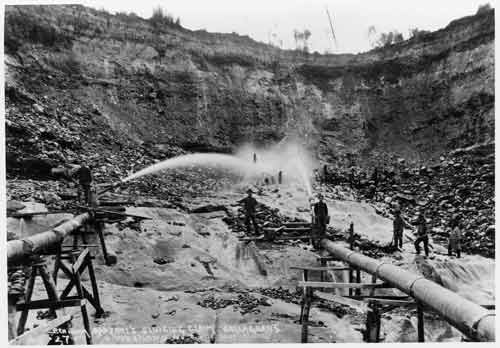
Barbera first came to the Sierra Foothills and California during the mid-19th century Gold Rush via the plantings of Italian forty-niners. Southern Europeans found the climate similar to that back home and planted familiar varieties. While some of those plantings were torn out during Prohibition in the 1920s as in other areas of California, Sierra Foothills avoided notice and many vines remained and were abandoned, while their vines continued to produce, where they were discovered in the second half of the 20th century.
In more recent decades, California Barbera has gained recognition in its own right. Barbera’s hardiness and abundance, ability to thrive in sandy soil, and easy-to-drink, fresh nature have popularized the variety. Tough California’s dedicated acreage has dropped in the last 15 years, from about 21,000 acres in the 1970s to about 7,000 acres by 2010, the Sierra Foothills serves as the perfect setting for this uncommon grape, with granite soil, warm days and cool nights.
Some of the reason for the dropoff in Barbera plantings are attributable to the fact that Barbera is used to produce less expensive bottles. Bearing in mind the cost of California real estate, it becomes far more worthwhile to invest in the more profitable Cabernet Sauvignon.
Sierra Foothills AVA is today known for Barbera, and Cooper Vineyards of Amador County’s Shenandoah Valley in Sierra Foothills helped foster this relationship some 50 years ago, creating the cradle for great American Barbera.
Invei Winery
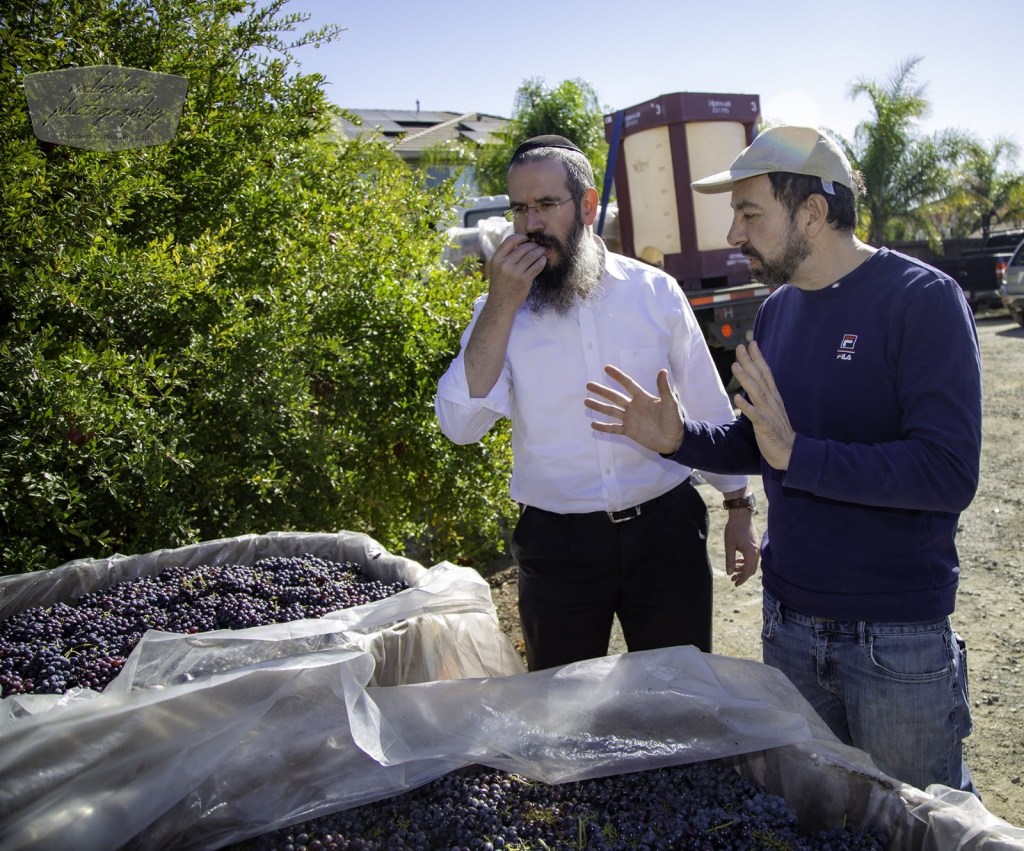
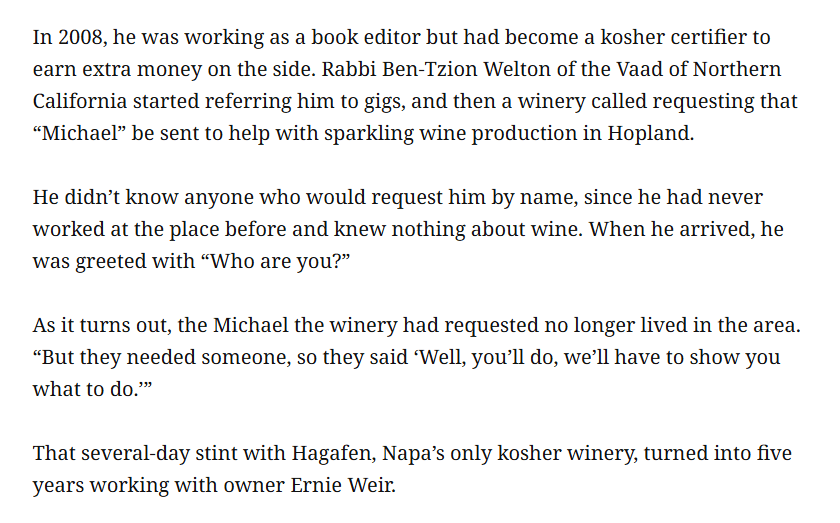
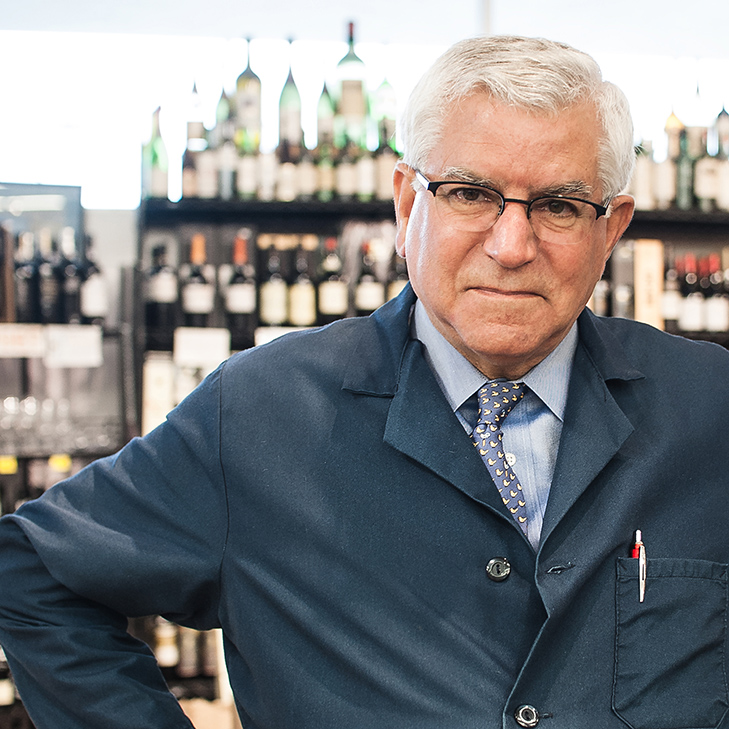
Invei Winery, a microboutique winery focusing on lesser-heralded grapes, was founded in 2020 by Michael Kaye and Dovber Berkowitz. They have been making wine since the mid-2010’s. Kaye ended up in wine by serendipitous fortune, after a mistake for a mashgiach (kosher certification) job piqued his interest.
J-weekly, 11/14/2017
Berkowitz is the rabbi of Chabad of Contra Costa, California. To say the pair are self-made winemakers is a massive understatement. They are men without fancy wine training or degrees but with the requisite motivation and natural optimism as dreamers in a tough world.
The Decision to Work with Barbera
Barbera is another grape not widely seen in the marketplace, kosher or otherwise, but Kaye was intrigued with it. “After I interned with Amichai [Lourie] at Shiloh in Israel, whose Barbera I loved,” says Kaye, “I came back to California to make my own. It took a while to find, and the first harvest was under-ripe and had to be tossed.”
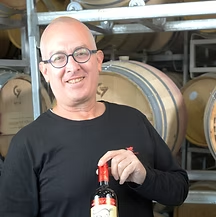
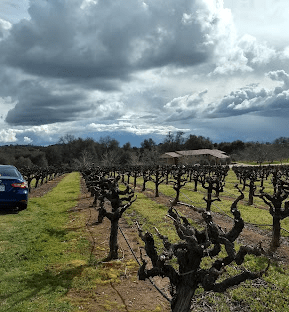
Never one to be disheartened and quit, Kaye tried again. “I researched more deeply and discovered a famed history of Barbera vineyards in the Sierra Foothills. Our Barbera comes from Cooper Vineyards in the Shenandoah Valley of the Sierra Foothills AVA. This same plot produced San Francisco Chronicle‘s ‘”‘2024 Best Red Wine,’”‘ the Barbera, 2021, and we were lucky to find it.”
How Cooper Vineyards Made a Home for Barbera
Back in the late 1970s, Dick Cooper, now known as the “Godfather of Barbera,” was a graduate of U.C. Davis and now overseeing his parents’ 158 acre farm in the Shenandoah Valley. Cooper decided he wanted to plant a serious vineyard. During a dinner at the Cooper family home, Darrell Corti, the internationally known food and wine expert was asked by Dick’s dad, Hank Cooper, “If we’re going to plant grapes, what varietal should we go with?” And Corti answered, “Barbera and Dolcetto.” Hank, who had heard of neither grape, asked Corti how to spell the names, and Corti took out his wallet, jotted down Barbera and Dolcetto on a dollar bill, and handed it to Cooper. Today, the framed bill is on display in the tasting room at Cooper Vineyards.
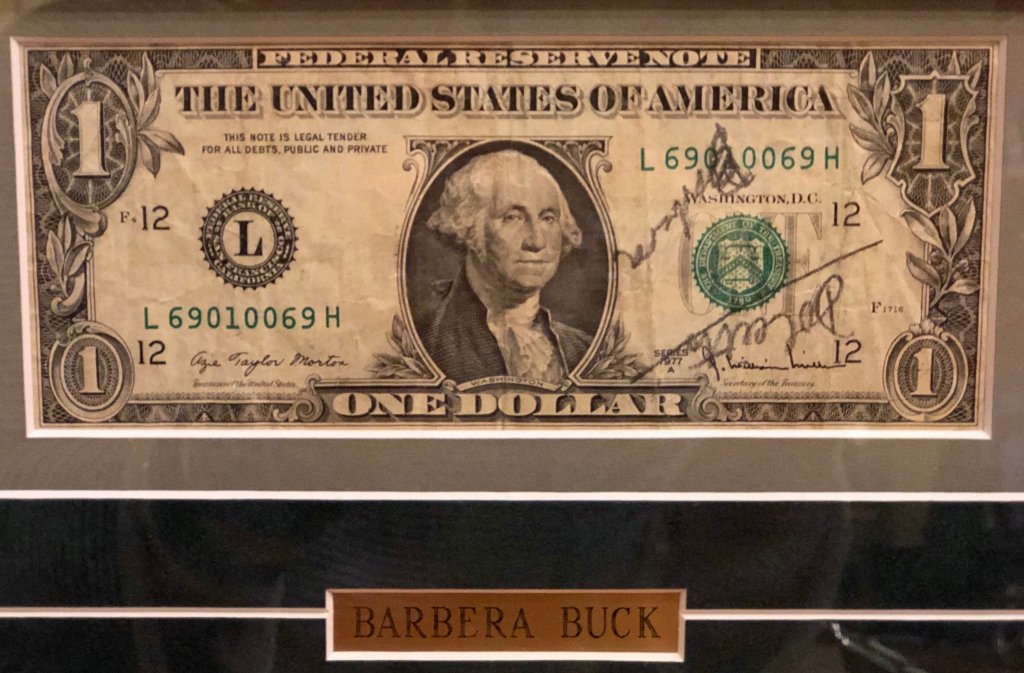
Dick Cooper passed away in July at the age of 81. The vineyards are now run by Dick’s four daughters, Jennifer, Rochelle, Jeri, and Chrissy.

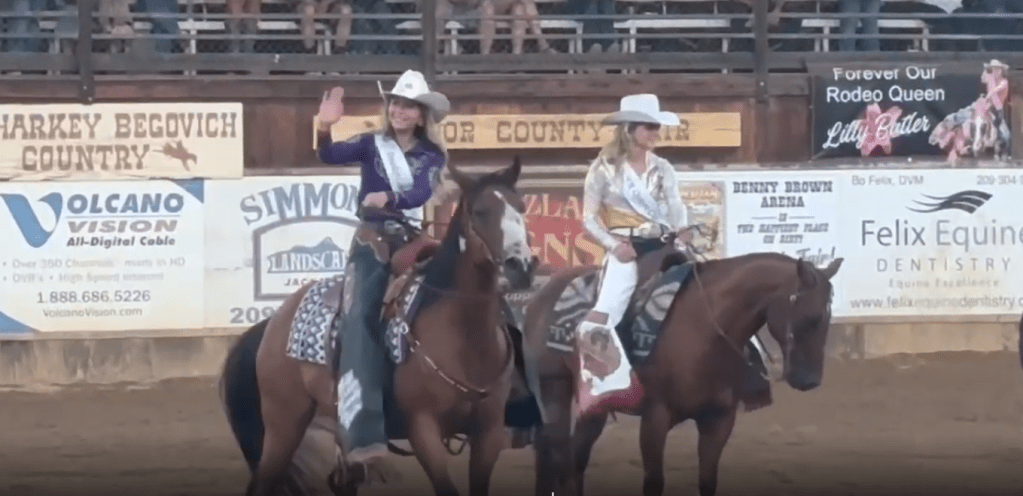
The Coopers represent a taste of Americana. Below is a photo of Cooper Cheatham, Chrissy Cooper daughter, named for her grandfather Dick, who just won the title of 2025 Amador County Fair Rodeo Queen. The Coopers continue to be legends of Amador.
Invei Barbera Vinification
Barbera is a tricky grape to use for single varietal wines as high alcohol can be a result of harvesting late in season. “We ended up harvesting twice,” says Kaye, “once at 24 brix and once at 28 brix, each of which required yeasts with different alcohol tolerance, and then blended the two wines together before aging on American Oak.”
Aging Barbera on oak has become a useful way to combat astringency, add complexity, and a richer body. “We chose American oak, after tasting the wine with French, Hungarian, and American,” says Kaye, “and felt that the vanilla notes went well with the red berry flavor of the Barbera. We aged the wine for 18 months. It’s developed into a delicious wine, quaffable, affable, and a refreshing change from the standard wine varietals. We won a gold medal in the National Small Producers’ competition with it already and hope people will enjoy it for years to come.”
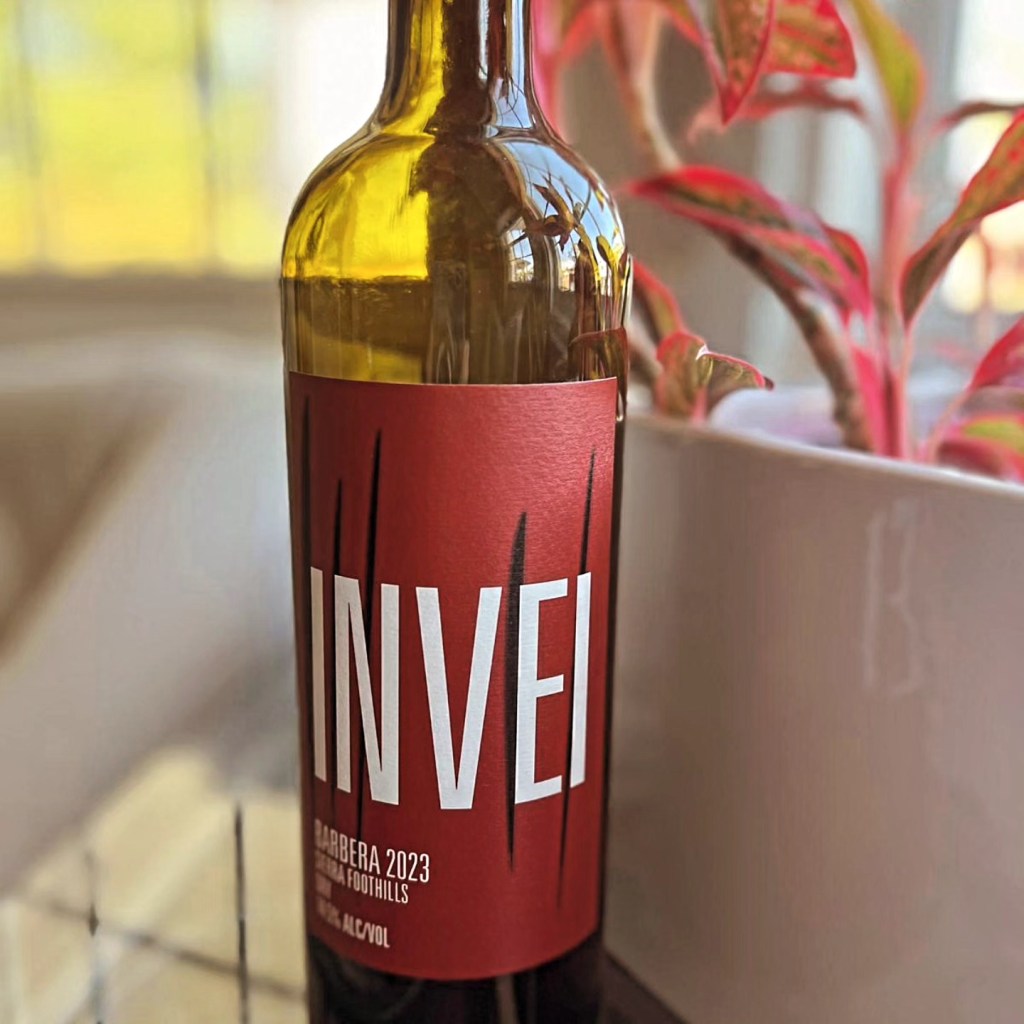
Tasting Notes: Invei, Sierra Foothills, Barbera, 2023
American oak aged 18 months, with only 200 cases produced. In the glass, medium burgundy. Aromas of ripe red fruit, strawberry, raspberry, cherry. Vanilla. Subtle earth. Medium body, good acid, integrated tannins. Fresh fruit. Not overly complex but eminently drinkable. Nice. Drink now until 2027. 90.
Second Tasting, 48 Hours Later
I wanted to revisit this wine with some time, much as I do with other new and/or young wines. Some real difference here. In the glass, medium burgundy. Aromas more distinct. In addition to the red fruits of cherry and raspberry, we have boysenberry, star anise, cedar, tarragon. The acid is still high and mouth watering but tempers and balances the fresh fruit nicely. Medium body with great zest and soft tannins. More complex than I found on my first taste. Very enjoyable wine. Give this bottle plenty of air. I still feel this bottle is not intended for aging, but should hold well. Drink now until 2027. 91.
$49, 14.5%ABV, non-mevushal, available at invei.com
 Kosher Food and Drink
Leave a comment