After first falling in love with Bat Shlomo Vineyards during the warm, festive days of Sukkot last October, I knew I had to go back. I returned last Friday to celebrate my best friend’s birthday, and the experience was just as magical.
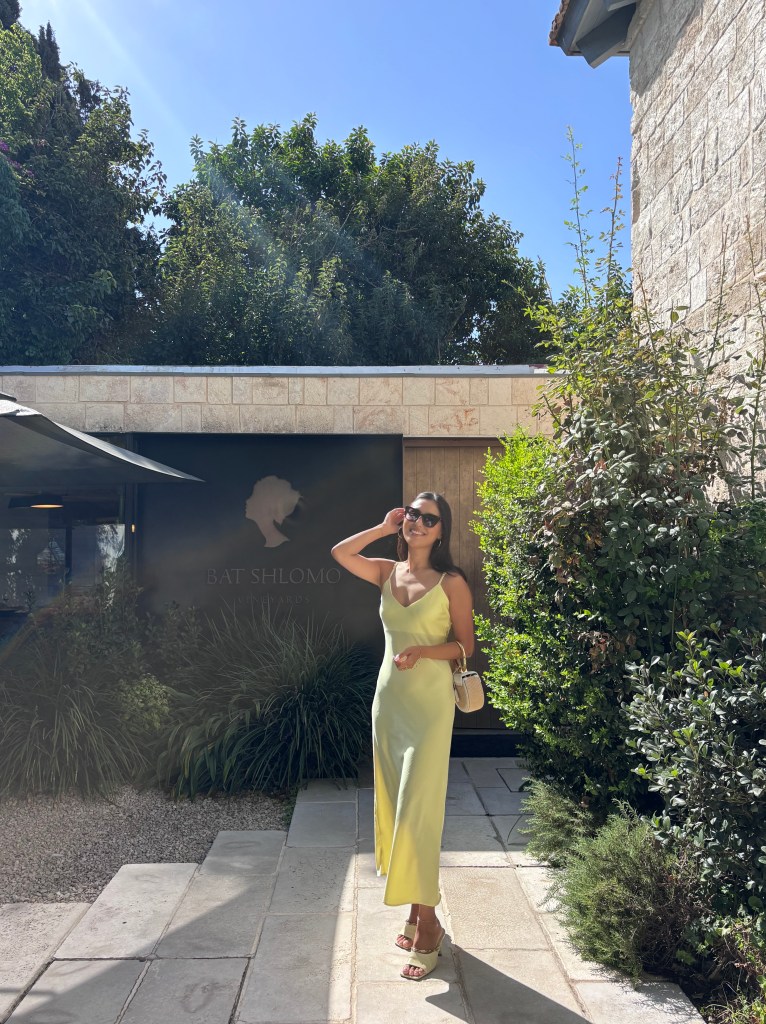
The Journey to Bat Shlomo
From Herzliya, it is about an hour drive to Bat Shlomo, which is just a little further north than Caesarea, and about an hour drive from Tel Aviv and 80 minutes from Jerusalem. During the holiday it is a nice and smooth drive, but expect traffic on a Friday afternoon.
Bat Shlomo’s Legacy
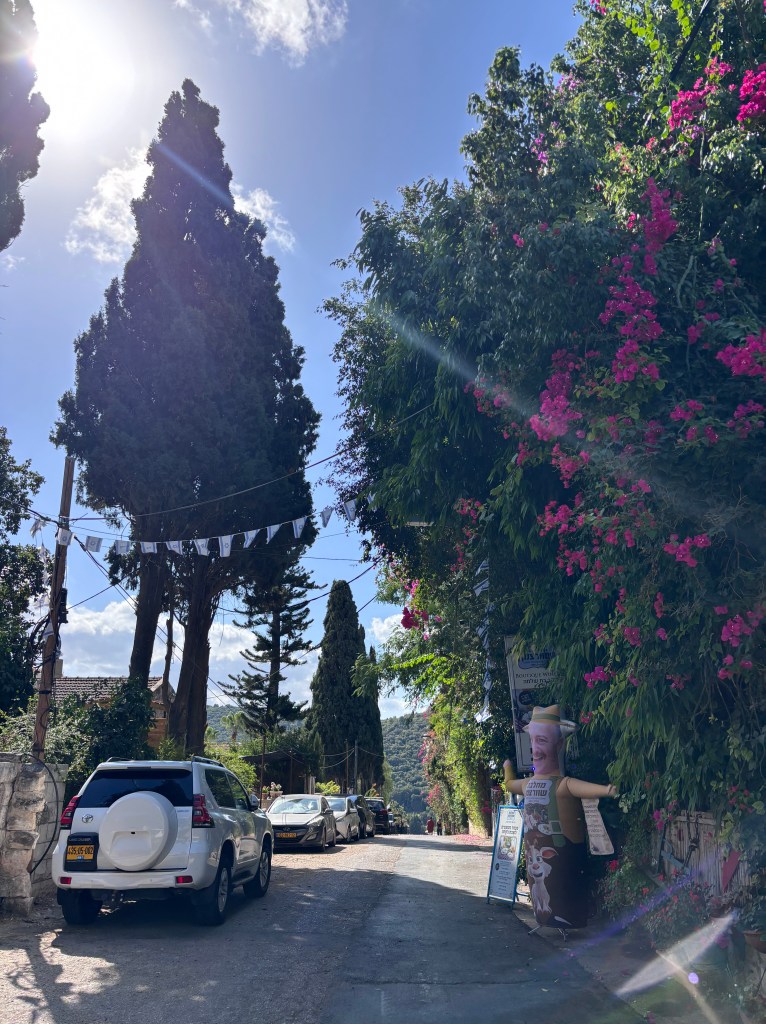
Bat Shlomo Vineyards is one of those places where history is not just a background story — it’s part of the experience. Founded in 1887 by Baron Edmond de Rothschild, Bat Shlomo was central to his vision of reviving agriculture and winemaking in the land of Israel after nearly 2,000 years. Walking through the village, lined with original 19th-century stone houses, you can genuinely feel that legacy.
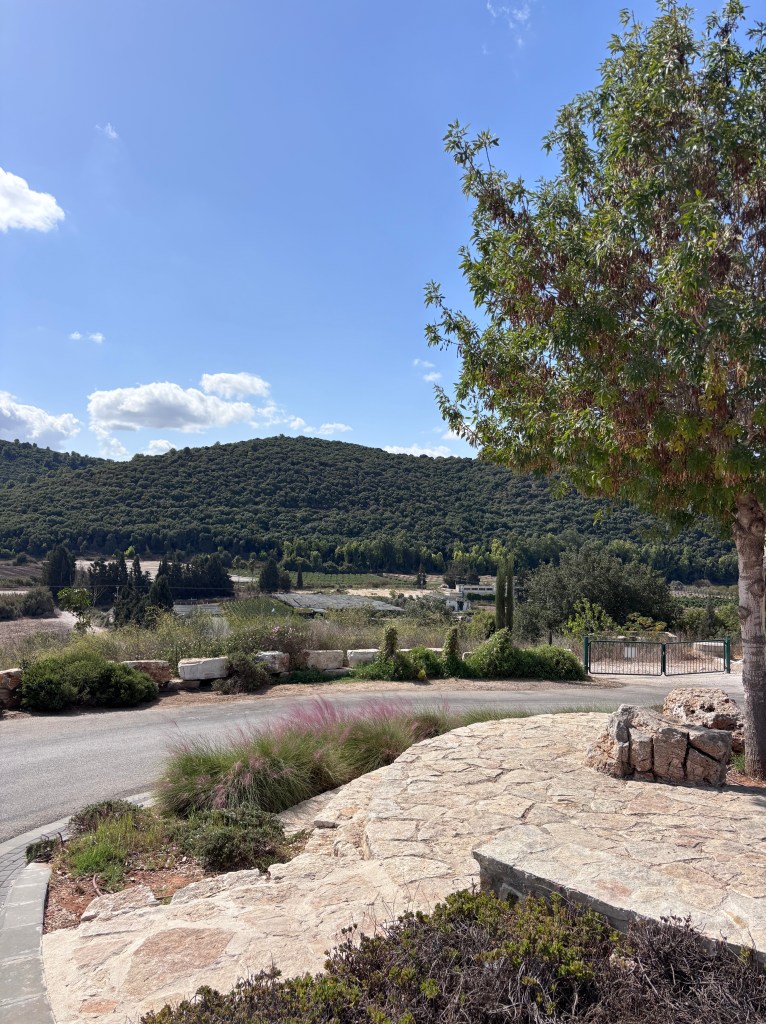
Visitor Center
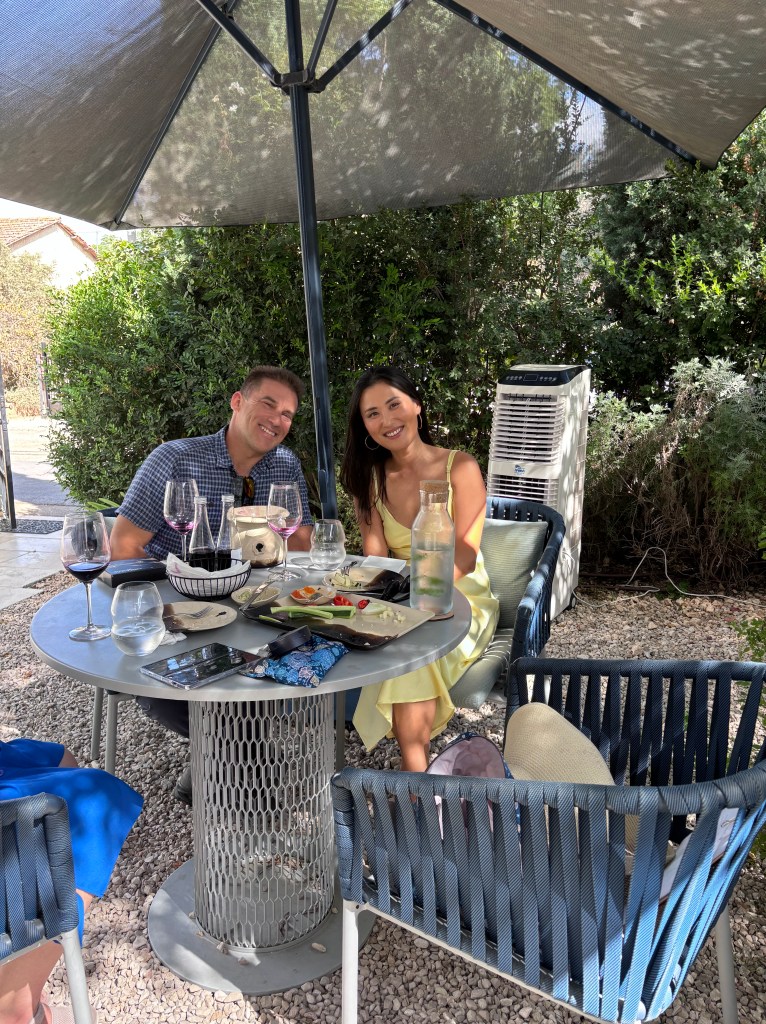
The visitor center has a beautiful tasting room with a stunning garden setting. Inside the tasting room is a huge table for tasting, but I sat down for our tasting in the charming little garden – calm, green, and absolutely beautiful. And the service is truly exceptional — warm, attentive, and personal.
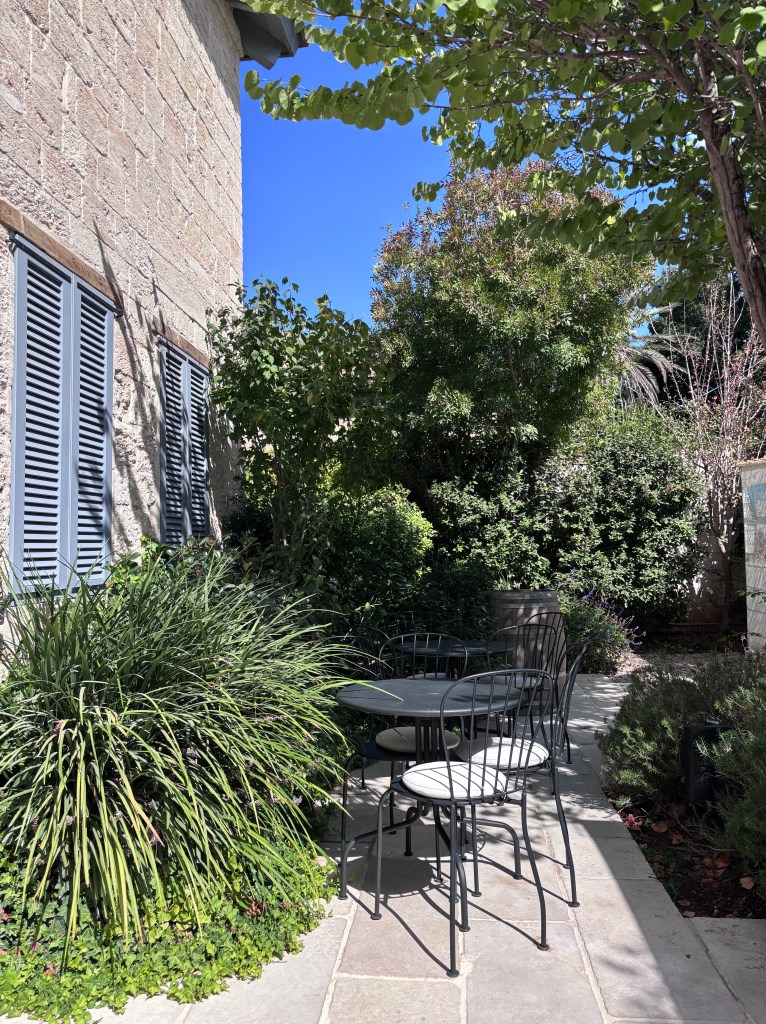
Their garden is effortlessly elegant and gives you a feeling that you made a great trip to an old world beauty.
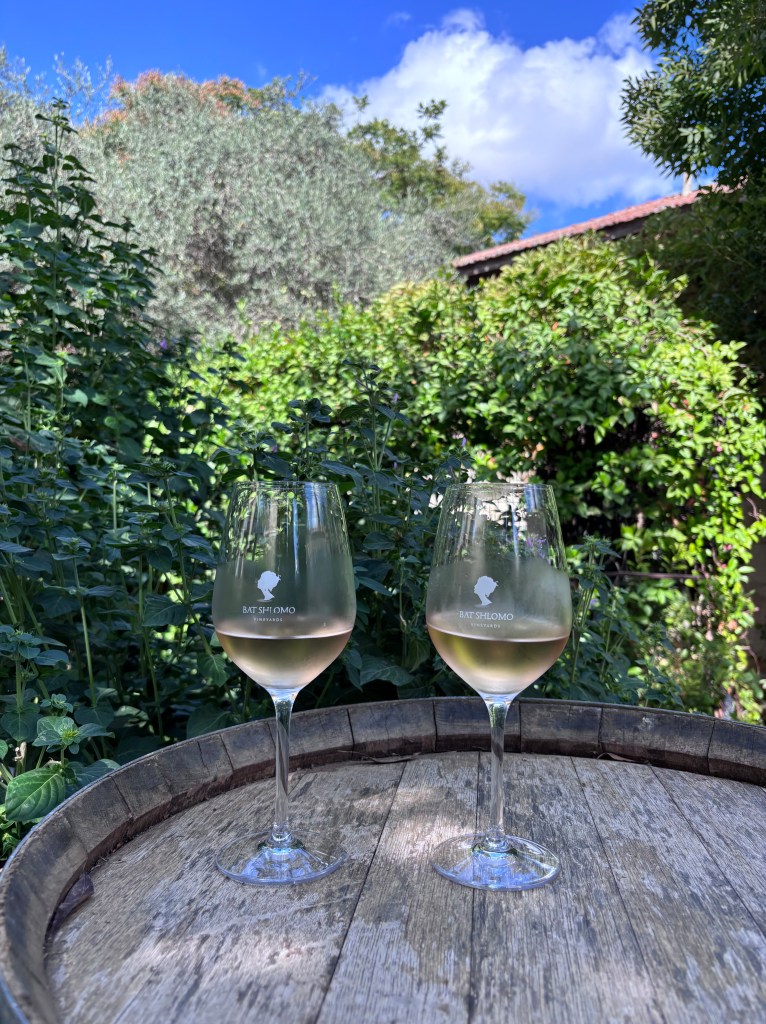
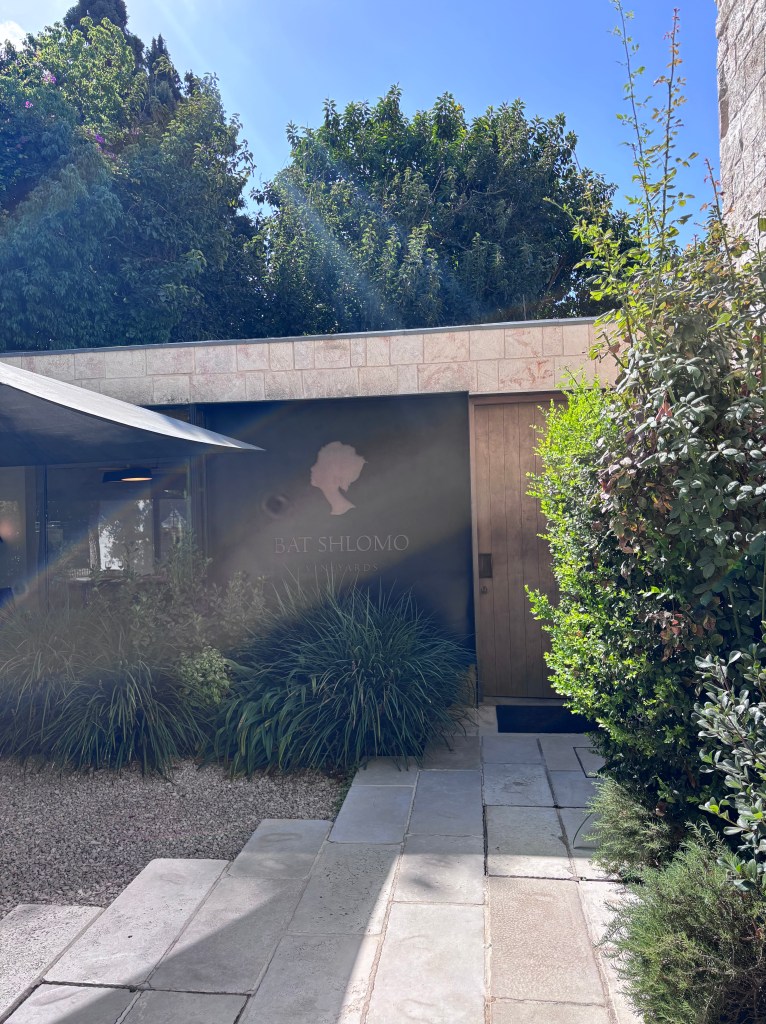
And yes, they have perfect photo spots at every corner of the garden. (Dress up for your new IG profile pic!)
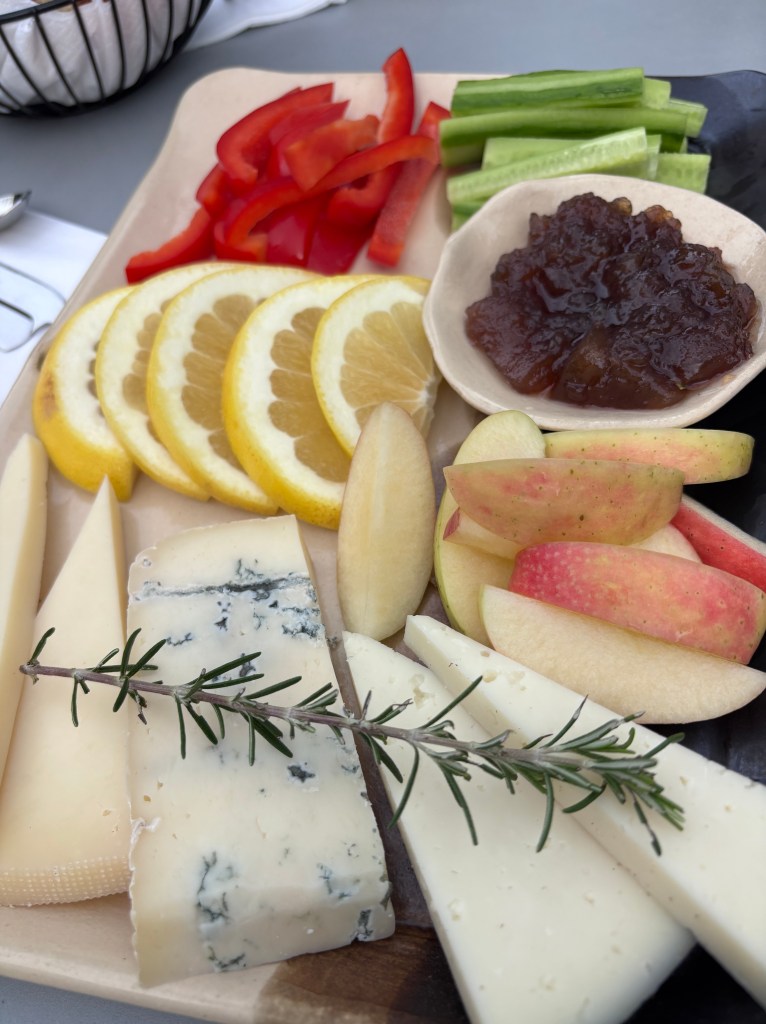
The wine tasting (₪170) includes four types of wine, fresh vegetables and fruits, bread, cheese, and their excellent house-made jam.
Kosher Certification
Bat Shlomo vineyards is under the supervision of the local Religious Council and the local rabbi and certified by Rabbi Mordechai Unger of Monsey, Kosher Lemehadrin.
Wines We Tasted
First Visit
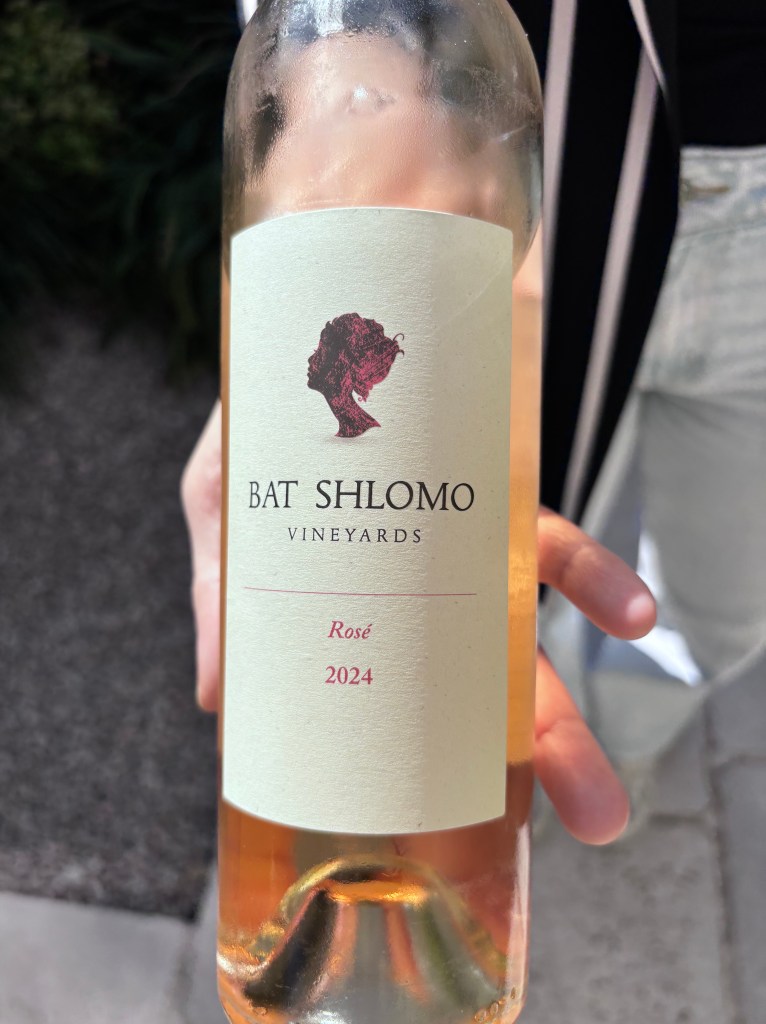
Vibrant, dry, floral, and citrusy with a refreshing finish. Perfect balance of acidity and fruit. ABV 11.2%.
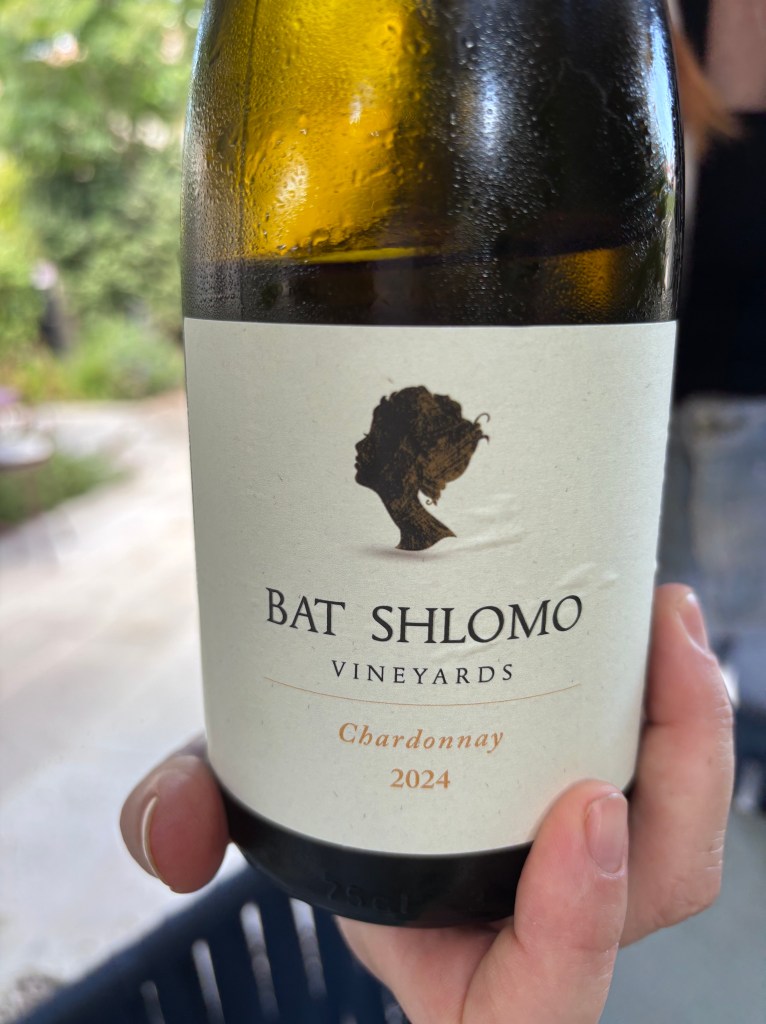
Notes of butter, oak, vanilla, and honey. Medium+ body and long finish — elegant and rich. Aged in French oak barrels for 10 months. This wine received 90 points from Mark Squires for Robert Parker’s “The Wine Advocate.” ABV 13.9%.
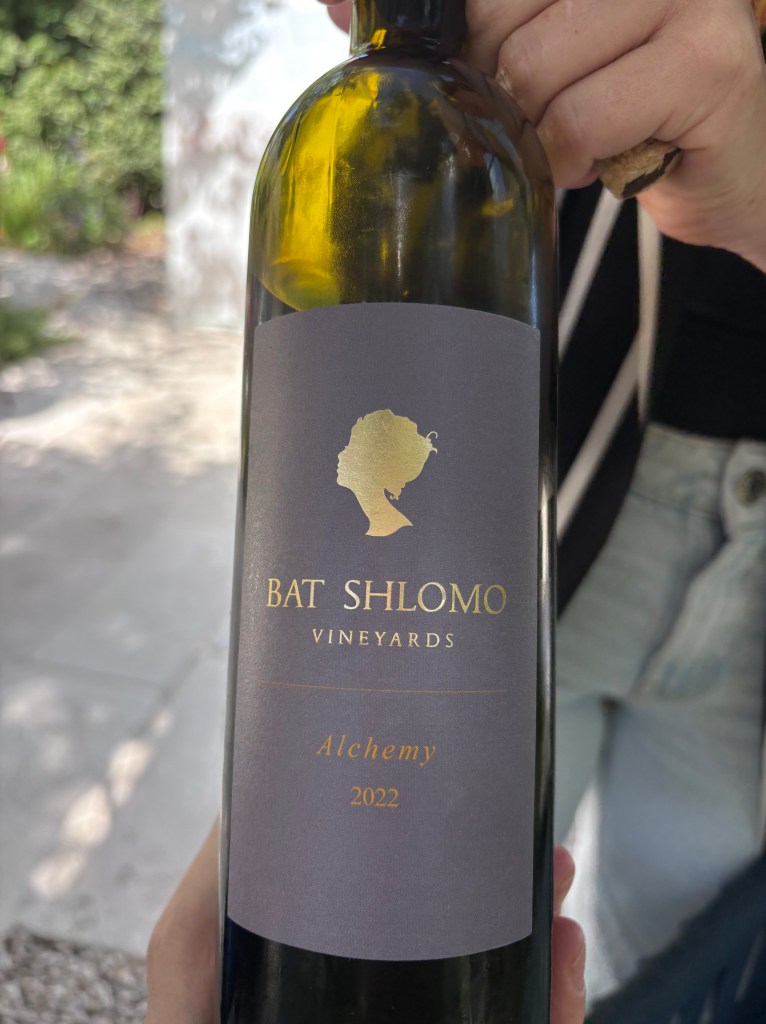
A red blend (70% Cabernet Sauvignon, 30% Mourvèdre) with blackberry, red and dark fruit, and oak. Smooth and medium-bodied. 14.5% ABV .
Bat Shlomo, Vintner’s Dilemma, 2022
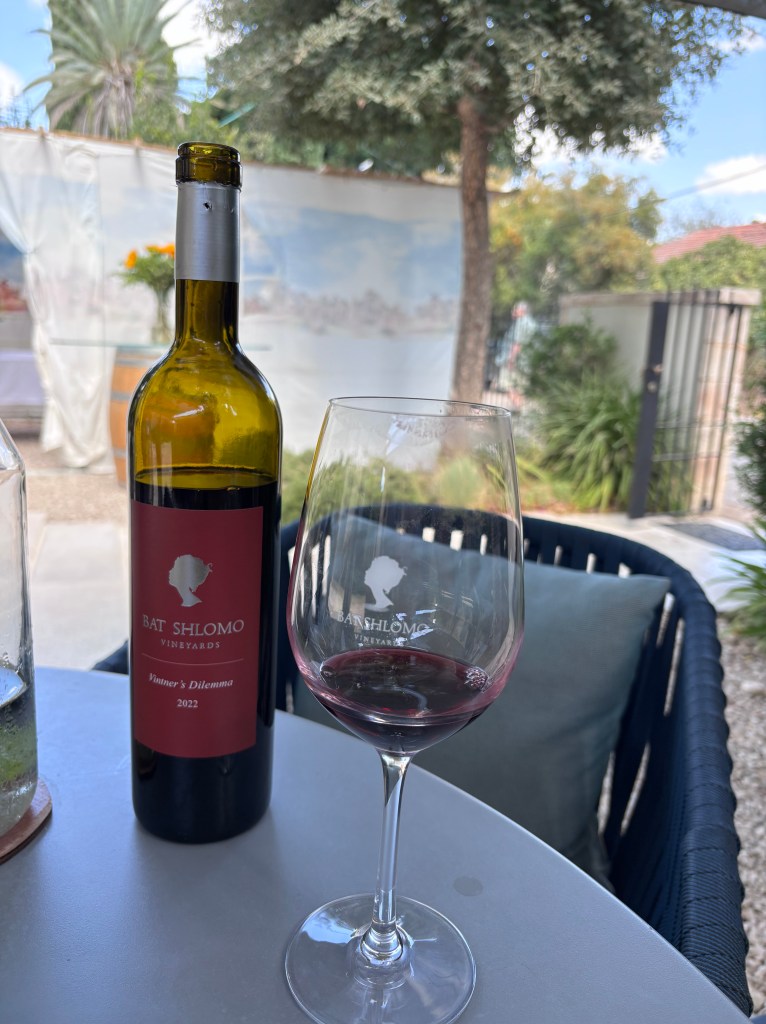
A bold, full-bodied Cabernet Sauvignon blend aged 18 months in French oak. Deep notes of dark fruit, tobacco, and oak. Complex, powerful, and intriguing — just like its story. ABV 14.6%
Barrel tasting / Meeting with Arie Erle
Prior to our visit, Bat Shlomo had sent us a YouTube video introducing the winery, and that’s how I first became familiar with winemaker, Ari Erle. When I spotted him passing by at the winery, I decided somewhat boldly to stop him and tell him that I was a big fan and would love to chat if he had a moment.
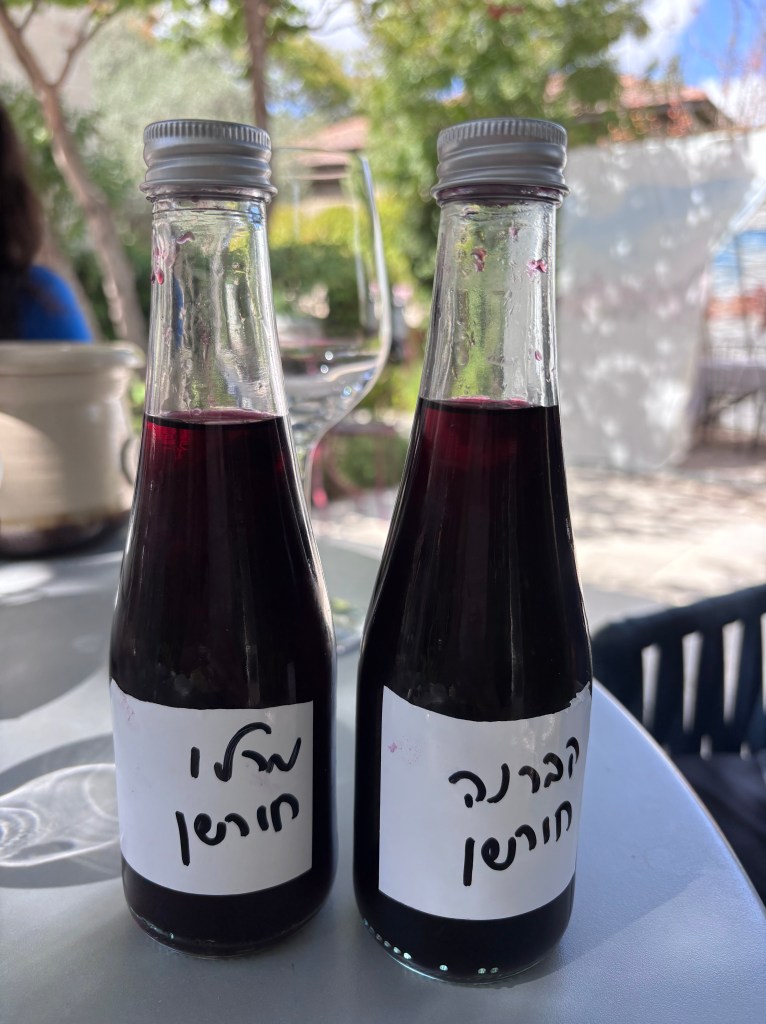
He sat with us for a while and shared his story, including how he moved to Israel from the U.S. Looking back, I realize I had a bit of chutzpah in approaching him (I’ve lived long enough in Israel …), and it could have come across as intrusive, but Ari was incredibly warm, open, and generous with his time. It ended up being one of the most memorable parts of the visit. He even let us taste his young Merlot and Cabernet Sauvignon straight from the barrel! Such a special experience.
Second Visit
I returned to Bat Shlomo for my best friend’s birthday, and this visit focused more on Arie Erle’s own labels, especially Dabouki, one of Israel’s indigenous grape varieties.
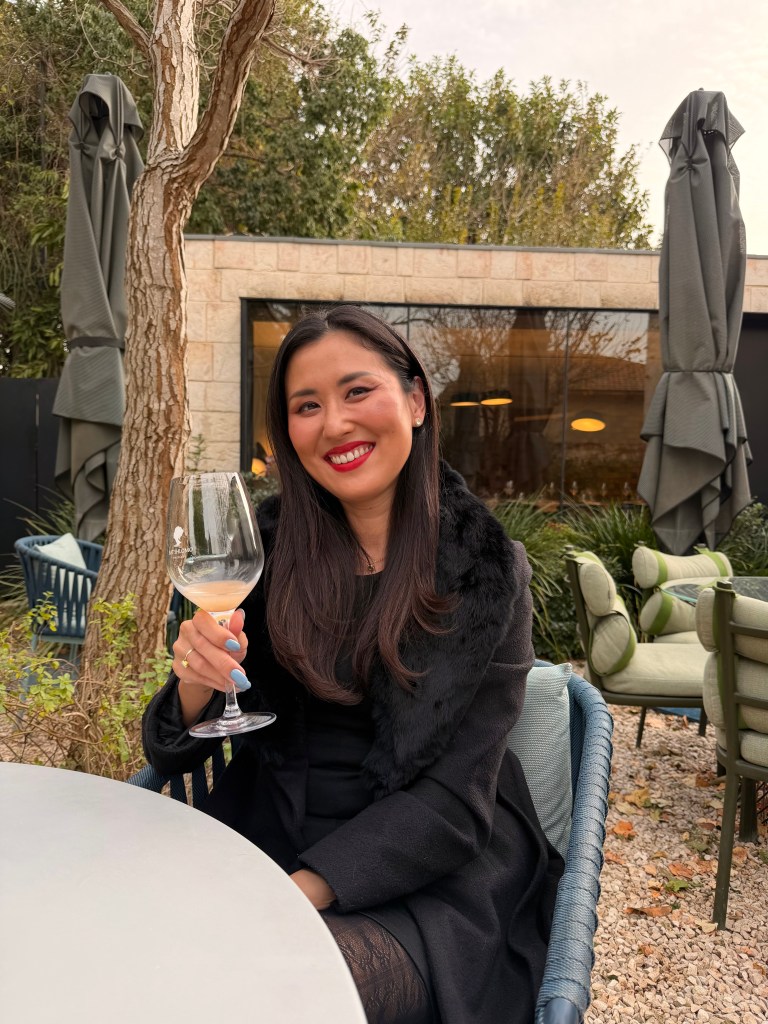
The garden at Bat Shlomo was still beautiful in February, and surprisingly warm. That’s one of the reasons I love winter in Israel, nothing like the –10 C (14 F) I grew up with. Sitting outside with a glass of wine in the middle of winter still feels like a luxury.
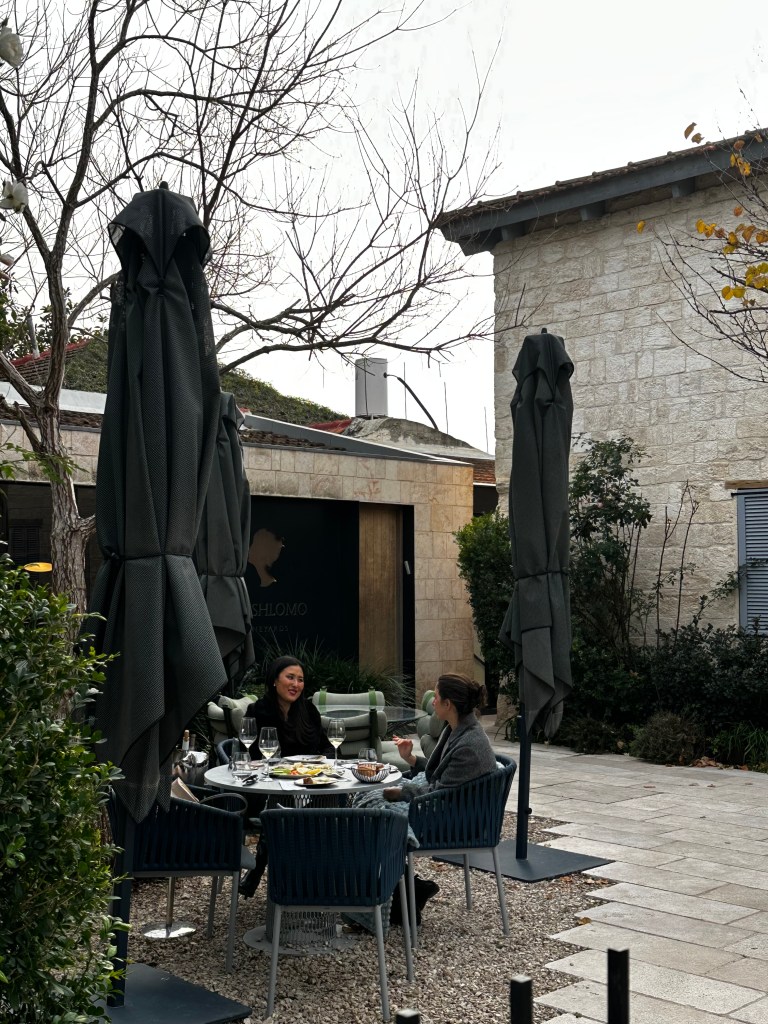
Unfortunately, Ari couldn’t join us this time, but we were truly spoiled by his colleagues, whose generosity and warmth made the visit just as special.
I’ve now tasted Dabouki a few times — first during my WSET Level 2 course with a Teperberg example, then from Sanilievich, and this visit marked the third time, if I remember correctly. Avi Feldstein also produces a Dabouki. Each encounter makes me more intrigued by Israel’s native grape varieties. There’s something about tasting grapes that have been part of this land for thousands of years.
I’d love to continue learning more about these indigenous varieties and to help educate friends and readers on the other side of the world about them. (If you’re interested in collaborating, feel free to reach out.)
Wines we tasted
Ari Erle, Dabouki Pet Nat, 2023
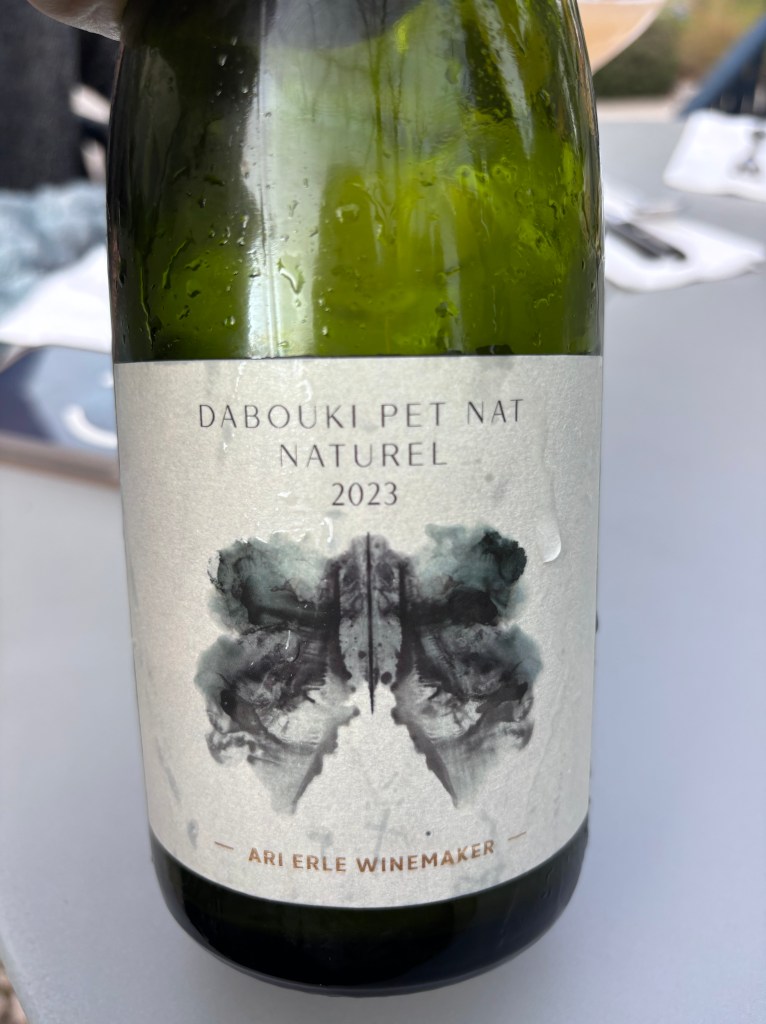
Very hazy and yeasty, not my personal favorite, but interesting to try. It reminded me of Korean rice wine, Makgeolli — a traditional milky, slightly fizzy rice wine with naturally yeasty flavors. Historically, it was a working-class or farmer’s drink, deeply tied to Korean rural culture. In the same way, Dabouki reflects Israel’s identity. I’d love to bring a bottle of Makgeolli to Ari next time for a cross-cultural tasting experiment, exploring how each wine tells the story of its people and place.
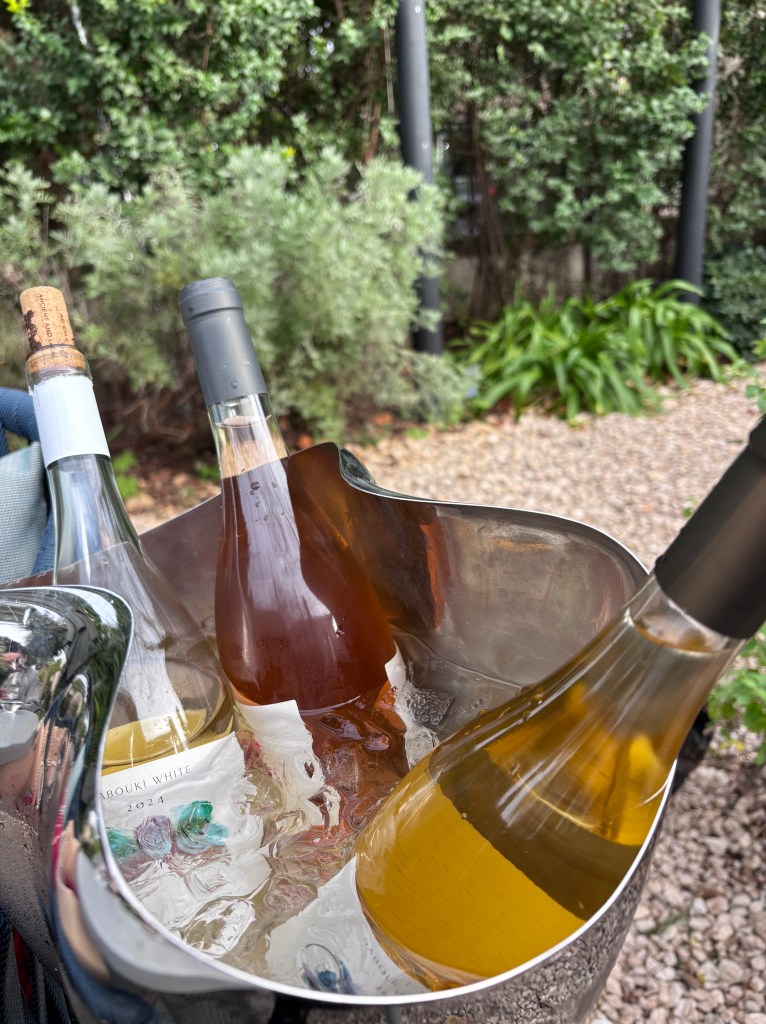
Arie Erle, Dabouki White, 2024
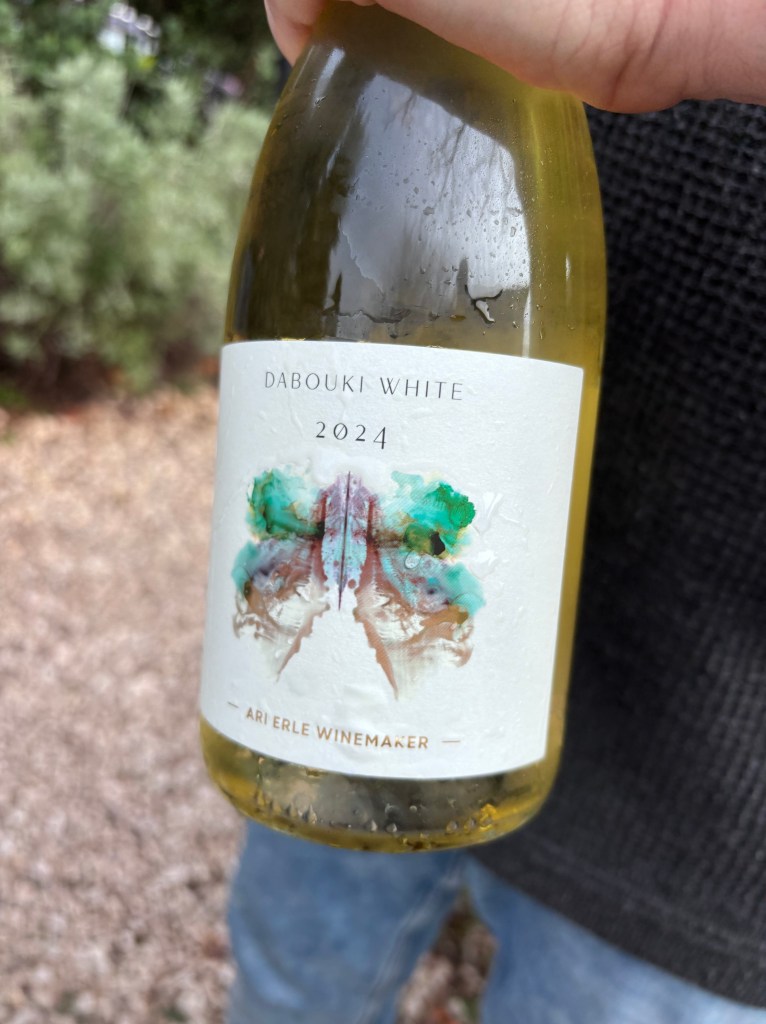
Citrus, pineapple, tropical fruit, and herbs; fresh, aromatic, and lively.
Arie Erle, Dabouki Barrel, 2024
More restrained fruit with a touch of oak, elegant and well balanced.
Arie Erle, Bittuni Rose, 2024
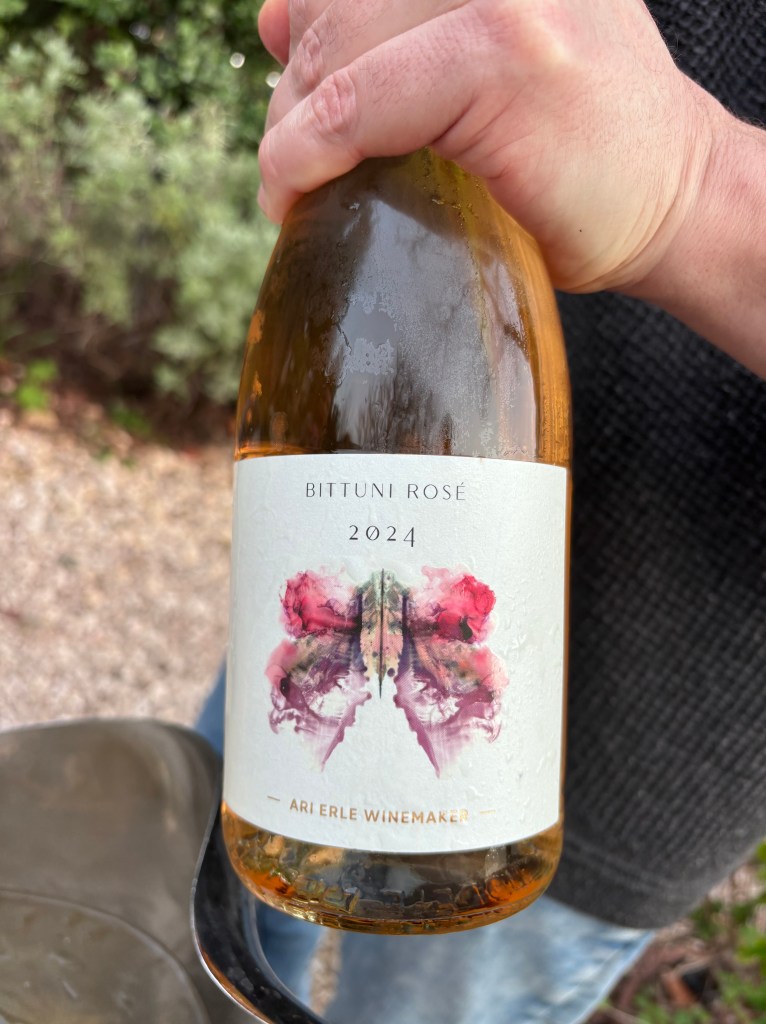
This was my first time trying Bittuni— light, refreshing, with red fruit notes. Perfect for summer and very Mediterranean in style, bright and easy-drinking. Bittuni is also a local grape variety that thrives in Israel’s coastal climate, giving wines a fresh, fruity, and approachable character.
Winery Information
Address: Ha-Meyasdim, Bat Shlomo
Kosher: Local Religious Council, Rabbi Mordechai Unger of Monsey, Kosher Lemehadrin
Visits: By appointment
Hours: Sunday – Friday, 10:00–17:00
To book: https://ontopo.com/en/il/page/batshlomovineyards?source=homepage
Hyun Park is a WSET Level II wine enthusiast who grew up within South Korea’s vibrant culinary landscape. Her love for wine grew significantly while living in Germany, where she visited wineries in Pfalz, Mosel, Nahe, and Rheingau. Now living in Israel, she actively explores the country’s diverse wine regions and evolving wine culture. As a non-Jewish, non-Israeli observer, Hyun brings a fresh, international lens to Israel’s wine world. She also shares reviews of wines and boutique producers on Instagram at @hyunshinebites.
 Kosher Food and Drink
Leave a comment