Three interesting choices showing the growing options in the kosher wine marketplace
- Traversa, La Burdinota, Barbera d’Alba, 2021
- La Demoiselle d’Haut-Peyrat, Haut-Médoc, 2015
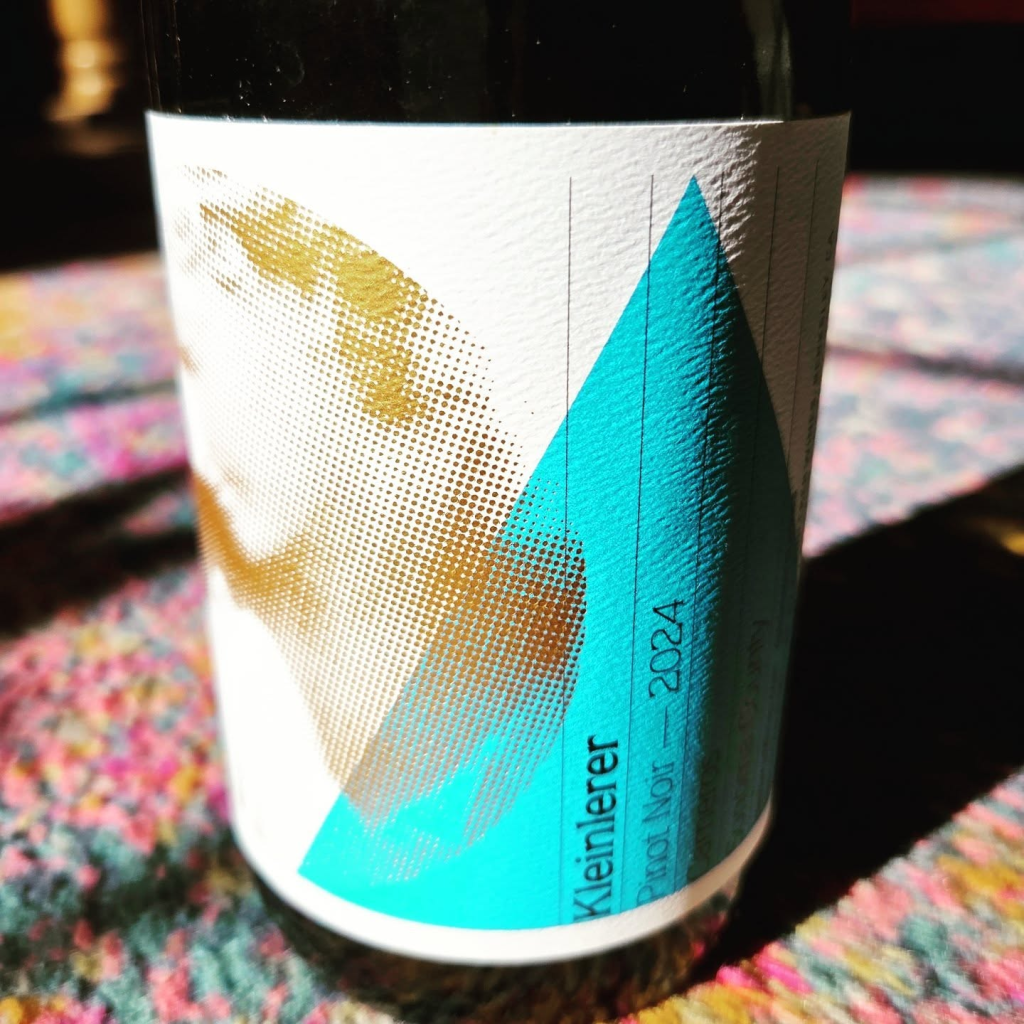
- Kleinlerer, Carneros, Sonoma Coast, Sonoma County, Pinot Noir, 2024
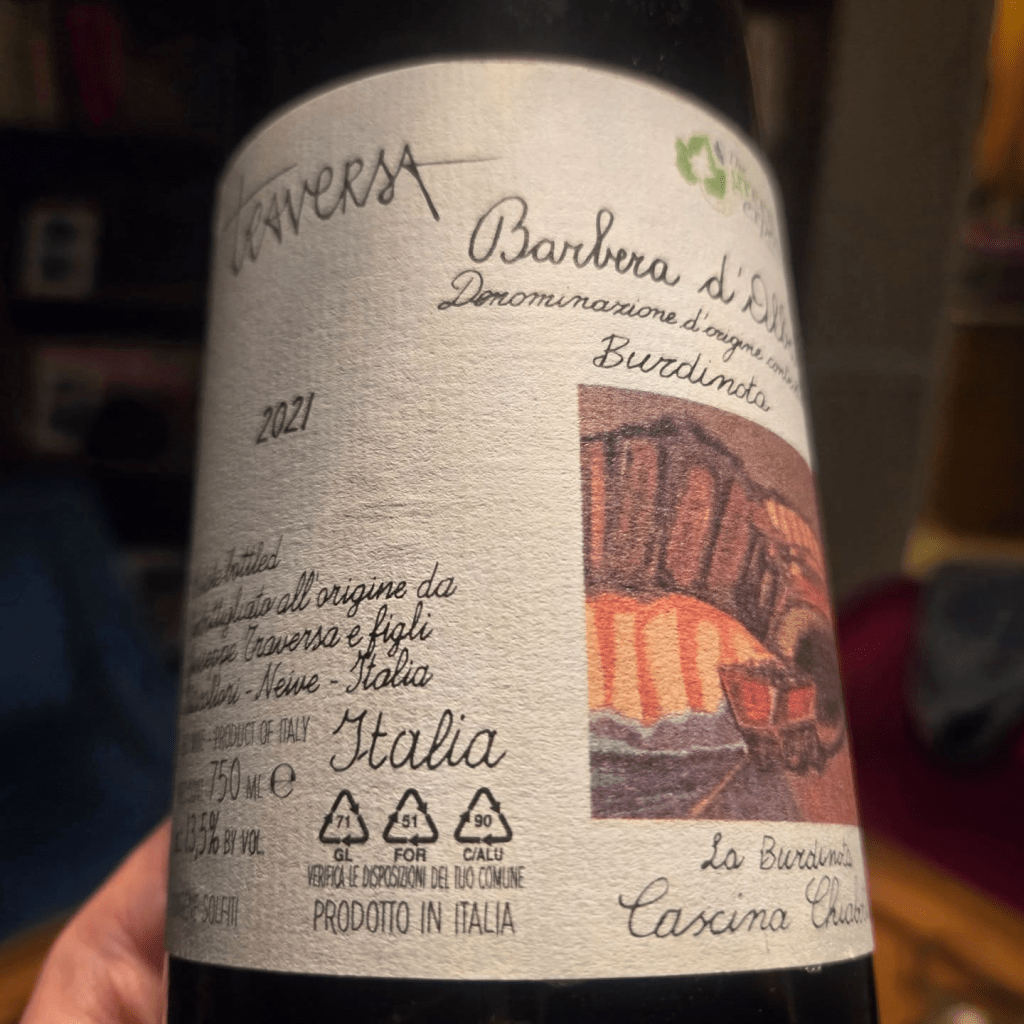
Just having covered Barbera d’Asti we now travel across Piedmont to Alba. Nestled among the Langhe hills, Alba features some of the best Barbera in the world, grown in its chalky, limestone soils in hillside vineyards next to the more famous Barbaresco and Barolo regions.
Barbera d’Alba is more structured than its Asti sister while also offering fresh red fruit and high acidity. Barbera d’Alba must contain at least 85% Barbera to be titled as such, with the remainder being comprised of Nebbiolo.
Traversa Cellars (Azienda Agricola Traversa Giuseppe SSA) was founded in Neive, a province of Cuneo, in 1834 by Giacomo Traversa and is now run by the fourth generation of the family.
The Traversa, La Burdinota, Barbera d’Alba, 2021 is deep, dark purple, with a vibrant nose of red and black fruits, cherry, strawberry, blackberry, anise, graphite, herbal notes. The medium-plus bodied palate shows racy acidity, layers of red and black fruit, orange blossom, earthiness, balsamic, and lingering minerality. Good structure and depth. This is a wine i crave. Impressive. 93 points.
Though this is a 2021, I think this wine would do well to lie down for a few years to allow greater integration of the naturally high acidity. Drink 2027-2032.
$35, 13.5% ABV, non-mevushal
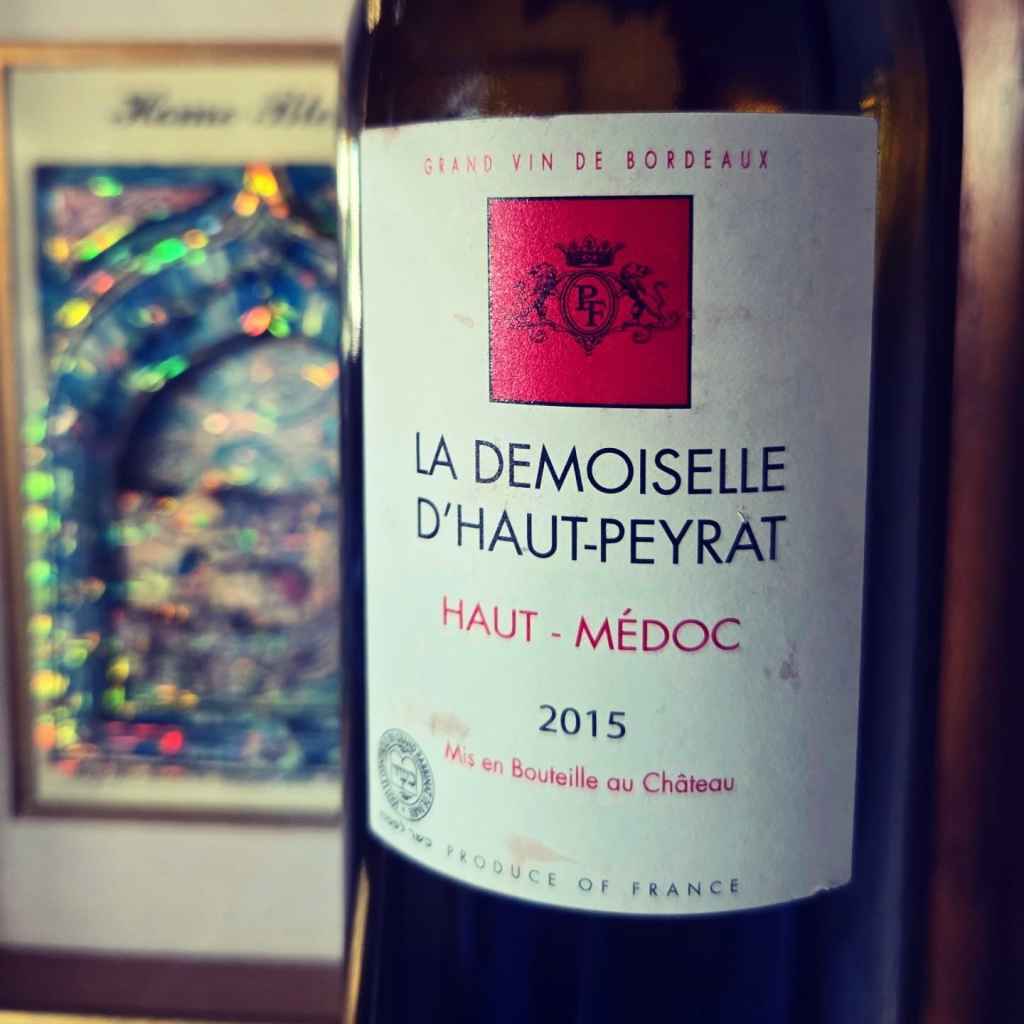
La Demoiselle d’Haut-Peyrat, Haut-Médoc, 2015
Over the chag, and with my dear friend @sniper_sommelier gracing our sukkah, I decided to check in on this 10 year old classic, as I read some recent reports indicating all kinds of trouble, though seemingly they were DOA and it was not an issue of age.
In any case, the time seemed right as I have another half case in the cellar. The 2015 is a classic blend of 49% Merlot, 48% Cabernet Sauvignon, 3% Petit Verdot.
Deep, dark purple with no sign of bricking. On the nose, ripe blackberry, smoke, earth, mushroom. On the palate, surprising fruit with beginning tertiary notes of mushroom and earth. Soft and pleasant, integrated tannins and medium acid. Drinking very nicely, but lacked something from either side. In other words, would expect more vibrance on a wine in its prime or more tertiary funk from a wine in its golden years. It’s now somewhere in between. Time will only tell if this nice wine, in the words of Parliament Funkadelic will “Give Up the Funk” as I so desire.
$35 (current vintage), 12.5% ABV, non-mevushal
Sagie Kleinlerer’s latest offering might be the one of which he is most passionate. “Pinot Noir is my favorite red variety and I wanted to produce it. It’s a labor of love.”
Though the grapes, particularly premium lots, can be very pricey, Kleinlerer’s love for the variety kept him focused on his goal. In fact, in 2020, looking to begin making commercial wine, Kleinlerer found an organic vineyard in Clarksburg to purchase Chenin Blanc and a Pinot Noir from a sustainable vineyard in Russian River Valley.
After the first vintage in 2020 in which he filtered his wines, Kleinlerer chose to make all his wines unfined and unfiltered, which leads to some “schmutz” or cloudiness, but adds to the texture and palate of the wines.
In 2022, looking again to work with Pinot Noir, Kleinlerer produced a Rosé from Pinot Noir, with which he was incredibly happy, but found it to be a “not wise financial decision,” as Pinot Noir is quite expensive to source. So, in 2023, he sought out a different, but less common and more affordable grape, and found the aromatic and fresh Cinsault, with which he created the lovely Dancin’ Sophie, Cinsault, 2024.
The newly released Kleinlerer, Carneros, Sonomas Coast, Sonoma County, Pinot Noir, 2024 utilizes 25% whole cluster fermentation. The Pinot Noir, as with all Kleinlerer wines, is vegan and produced utilizing “low intervention, minimal sulfur” methods, and are produced by hand, using indigenous yeast. The wine was “produced from a single clone: Clone 9 (Jackson Clone). This rare clone is often blended with other Pinot Noir clones because of its scarcity.” The wine was aged in neutral oak barrels, and is unfined and unfiltered.
In the glass, medium ruby red, intense fresh cherry, raspberry, light cedar, bit of vanilla. Medium bodied, racy acidity, fleshy character, exhibiting a bright, juicy fresh fruit core of cherries, raspberries, strawberries, with silky, integrated tannins and a delightful fresh finish. Fresh with elegance. Very nice. 92 points.
$49. 13% ABV, non-mevushal
Available at kleinlererwines.com


Leave a Reply